A slow drain rarely fixes itself. Most of the time it is a warning that buildup is narrowing the pipe, and the sooner it is cleared the simpler the repair tends to be.
Common causes of slow drains
Kitchen and bathroom drains collect different kinds of buildup, so the cause usually depends on where the slowdown starts.
- Grease and food scraps in kitchen sinks harden as they cool.
- Hair and soap residue collect in showers and bathroom sinks.
- Mineral scale narrows older pipes over time.
When one drain is slow
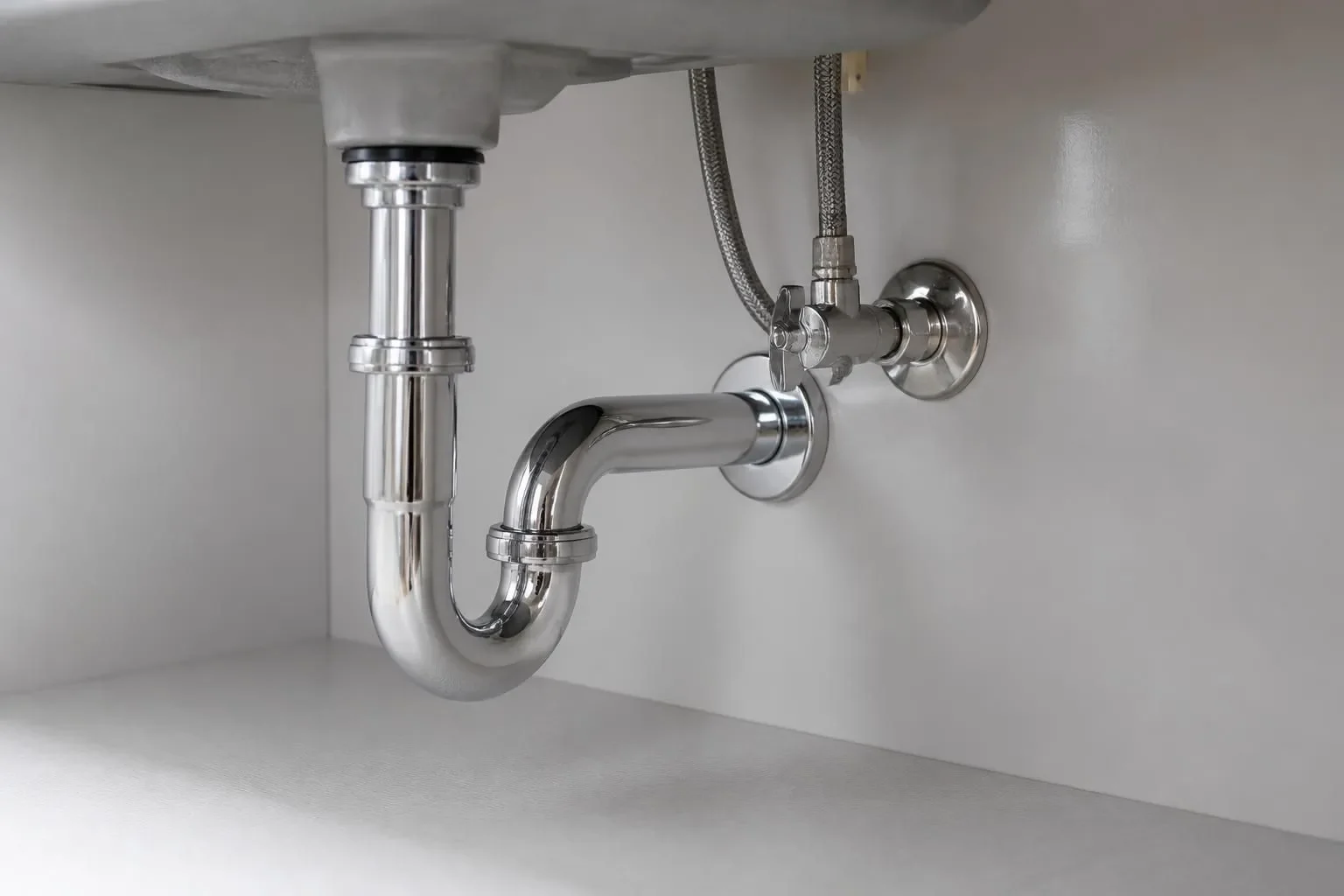
A single slow fixture usually points to a clog close to that drain, often in the trap or the first few feet of pipe.
When several drains are slow
If more than one fixture drains slowly or gurgles, the blockage may be further down the line, closer to the main sewer connection.
If water backs up in a tub when a toilet is flushed, call a plumber before using more water.
What you can do first
- Run hot water for a minute to see whether the flow improves.
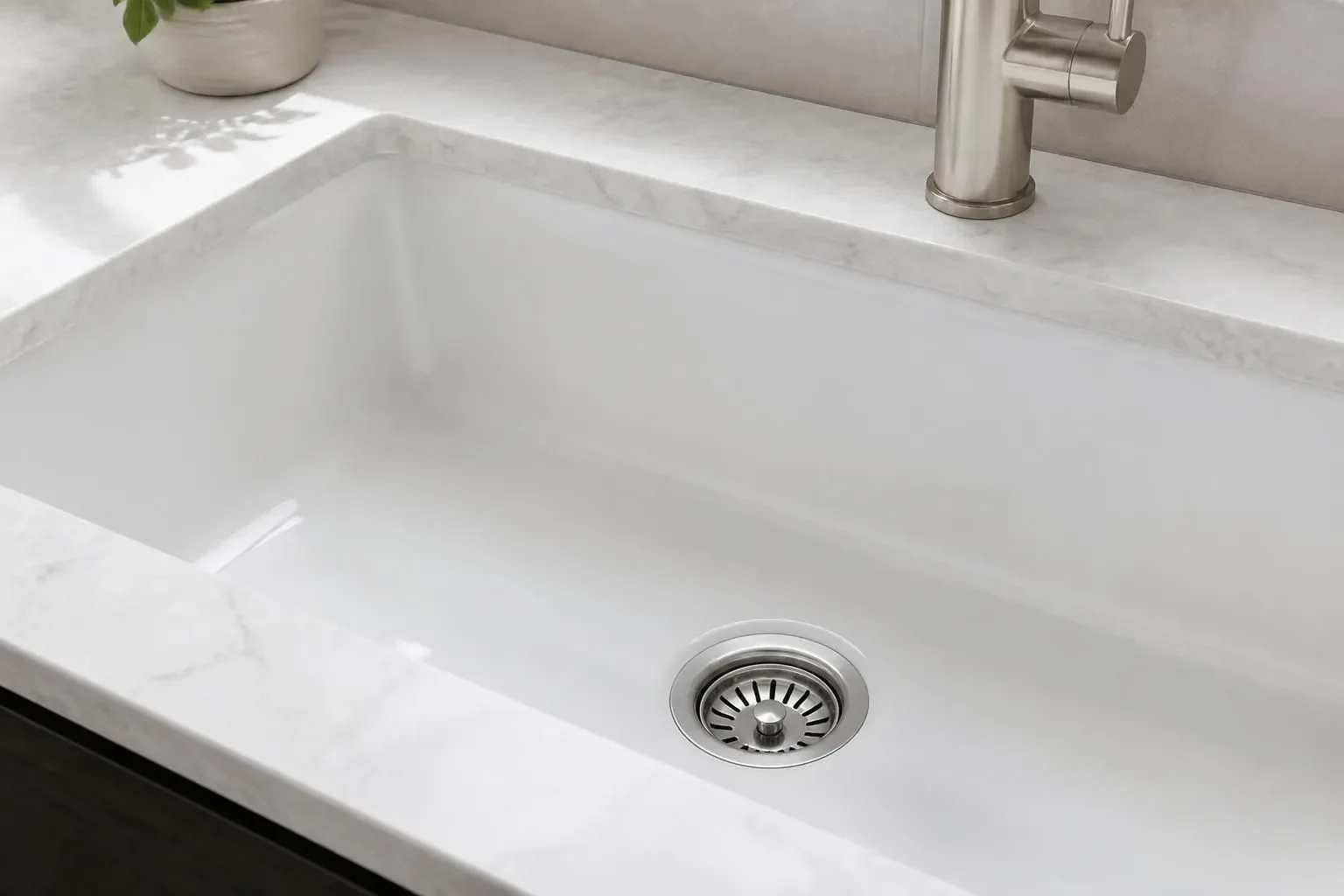
- Clean the visible stopper or strainer.
- Avoid chemical drain cleaners, which can damage older pipes.
When to call for help
If the drain stays slow after cleaning the stopper, or the problem keeps coming back, a professional cleaning clears the line properly and lets you know whether anything else needs attention.